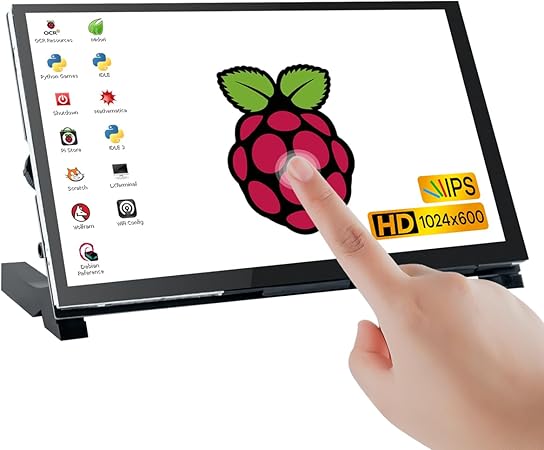
Touch Display
The touch display serves as the user interface for the juice dispenser. Users can select the desired drink and glass size via the screen. The graphical interface was developed in Python and enables simple and intuitive operation.

Technology
This page is not about the design, but about the parts that make SAFTI technically possible. These include the controls, the display and the drink dispensing mechanism.
The touch display serves as the user interface for the juice dispenser. Users can select the desired drink and glass size via the screen. The graphical interface was developed in Python and enables simple and intuitive operation.
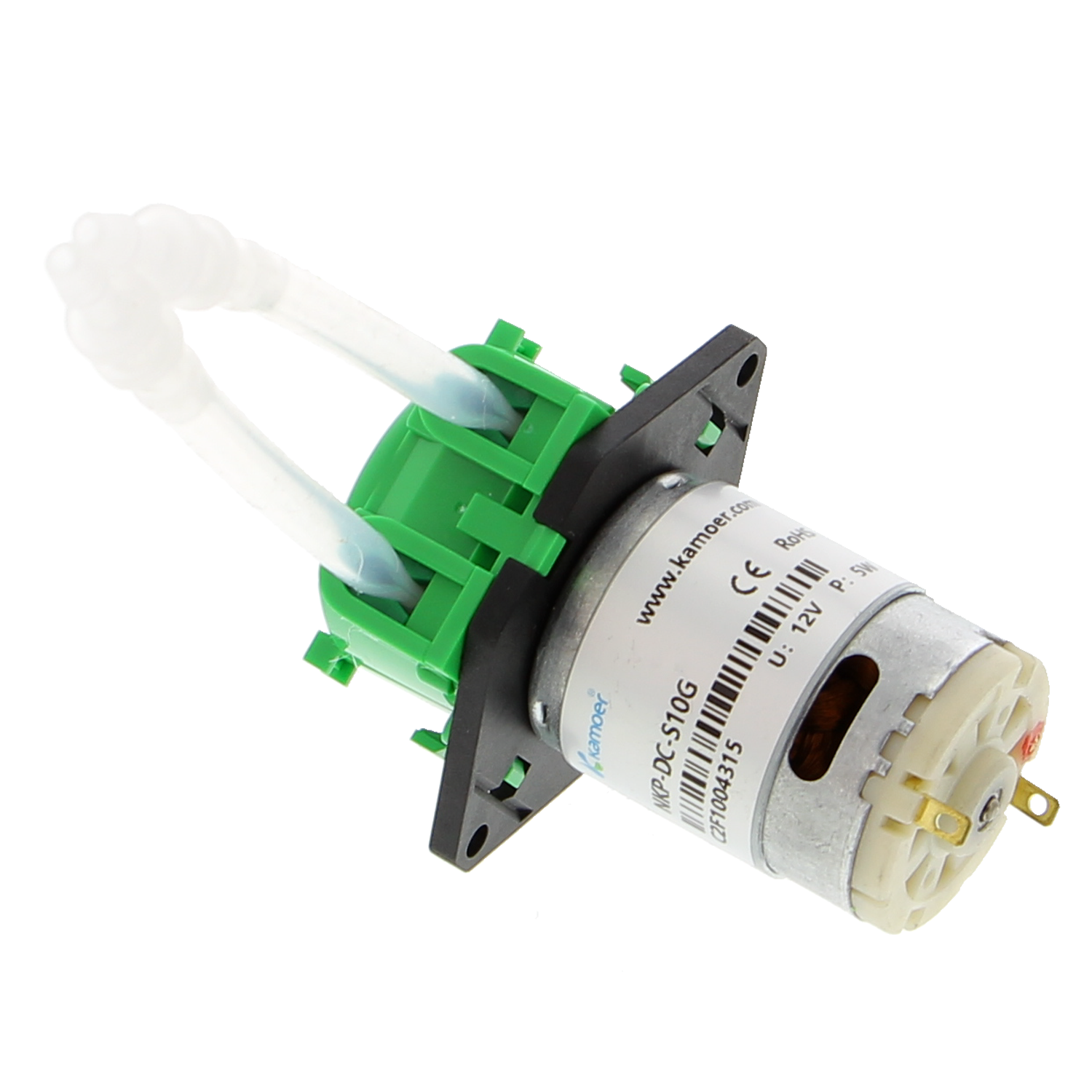
The pumps transport the drinks from the container to the outlet of the machine. Each pump is responsible for one specific drink and is activated automatically as soon as a drink is selected.
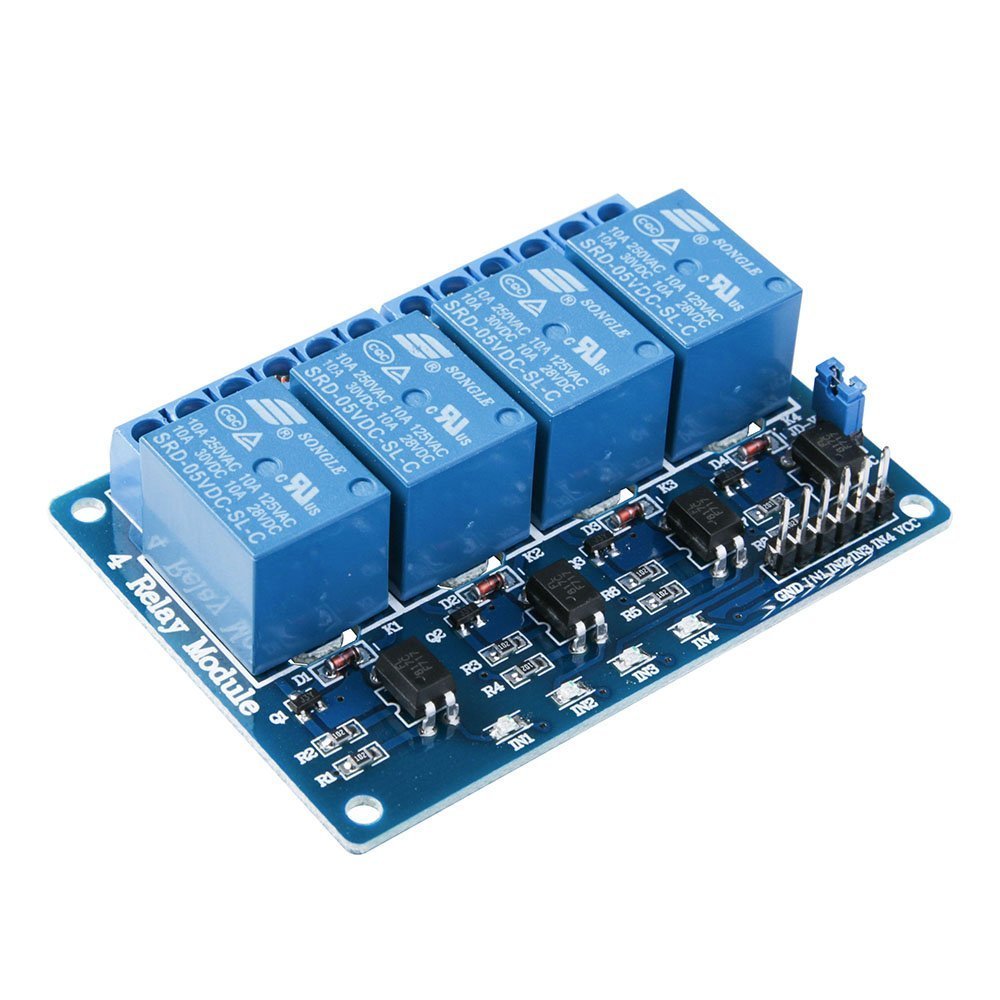
The relay module allows the Raspberry Pi to control electrical devices such as the pumps. Since the pumps require a higher voltage than the GPIO pins can supply, the relay acts as a switch between the controller and the power supply.
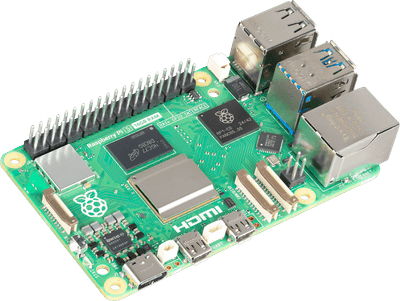
The Raspberry Pi is the central control unit of the system. It runs the Python software and processes input from the graphical user interface. Via its GPIO pins it also controls the relay module that activates the pumps.

The tubes connect the drink containers to the pumps and the outlet of the machine. They ensure that the liquid is transported hygienically and safely.
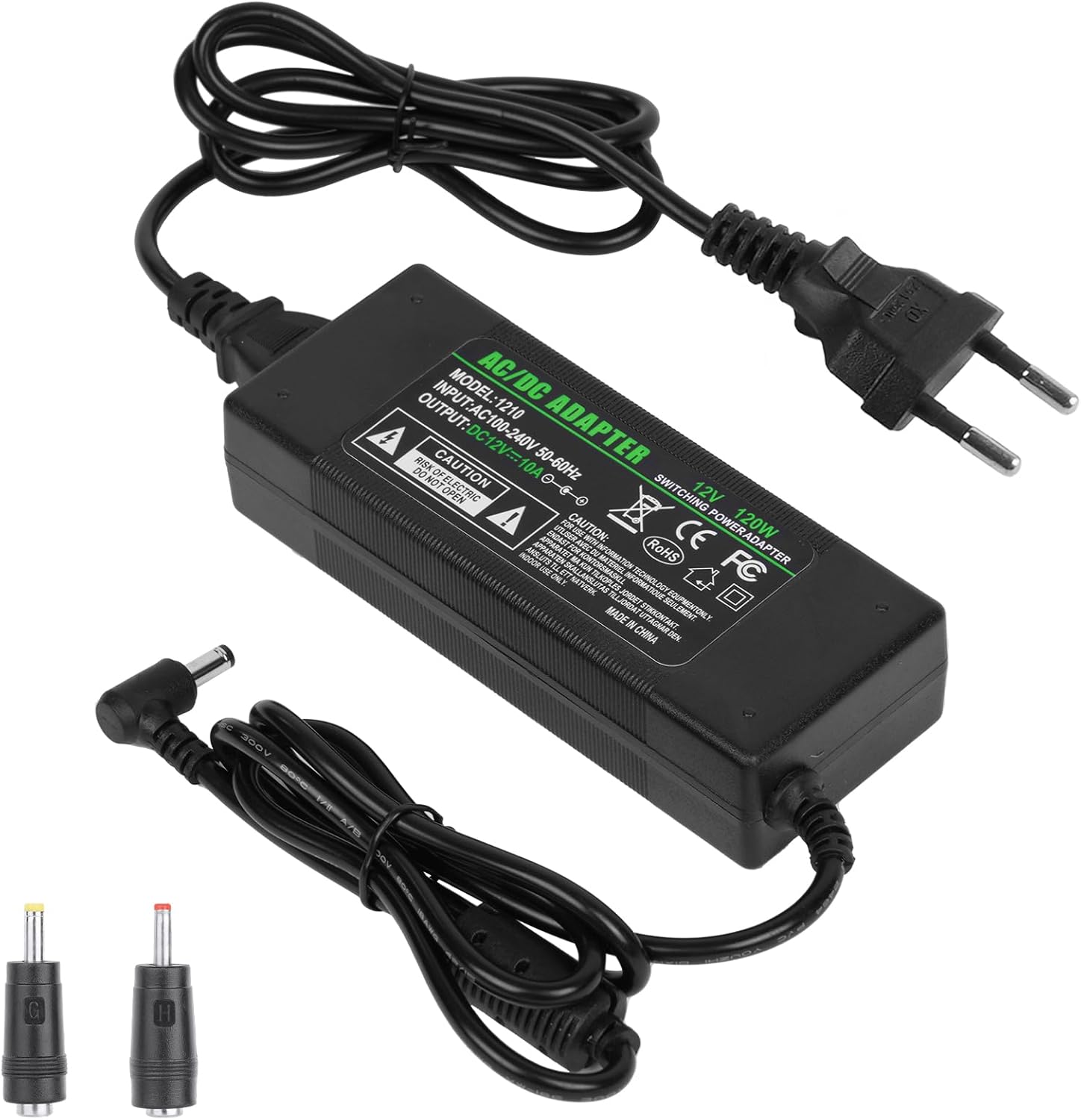
The power supply provides the pumps with the necessary energy. Since several pumps can run simultaneously, a powerful 12-volt power supply is used to ensure a stable power supply.
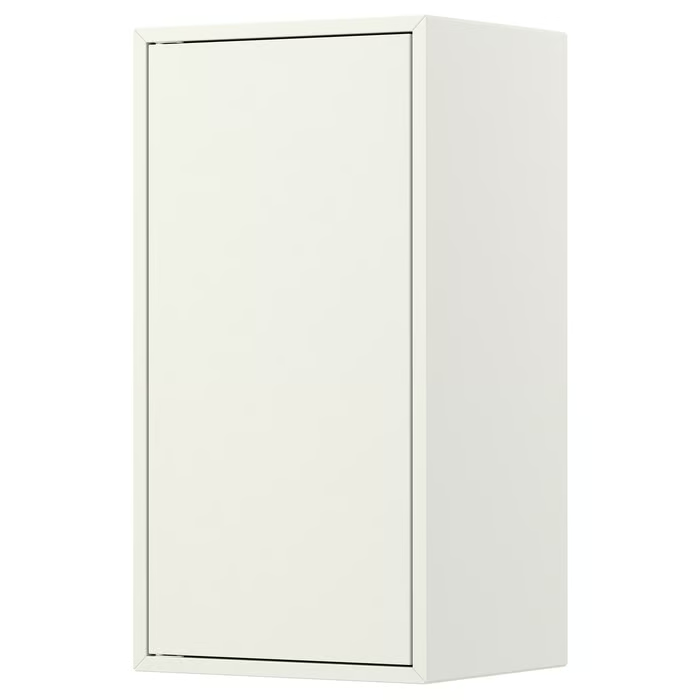
The housing forms the outer structure of the machine. It was designed so that all components can be integrated compactly. At the same time the design provides a modern and well-organised presentation of the system.